Dromcollogher: A September weekend to remember
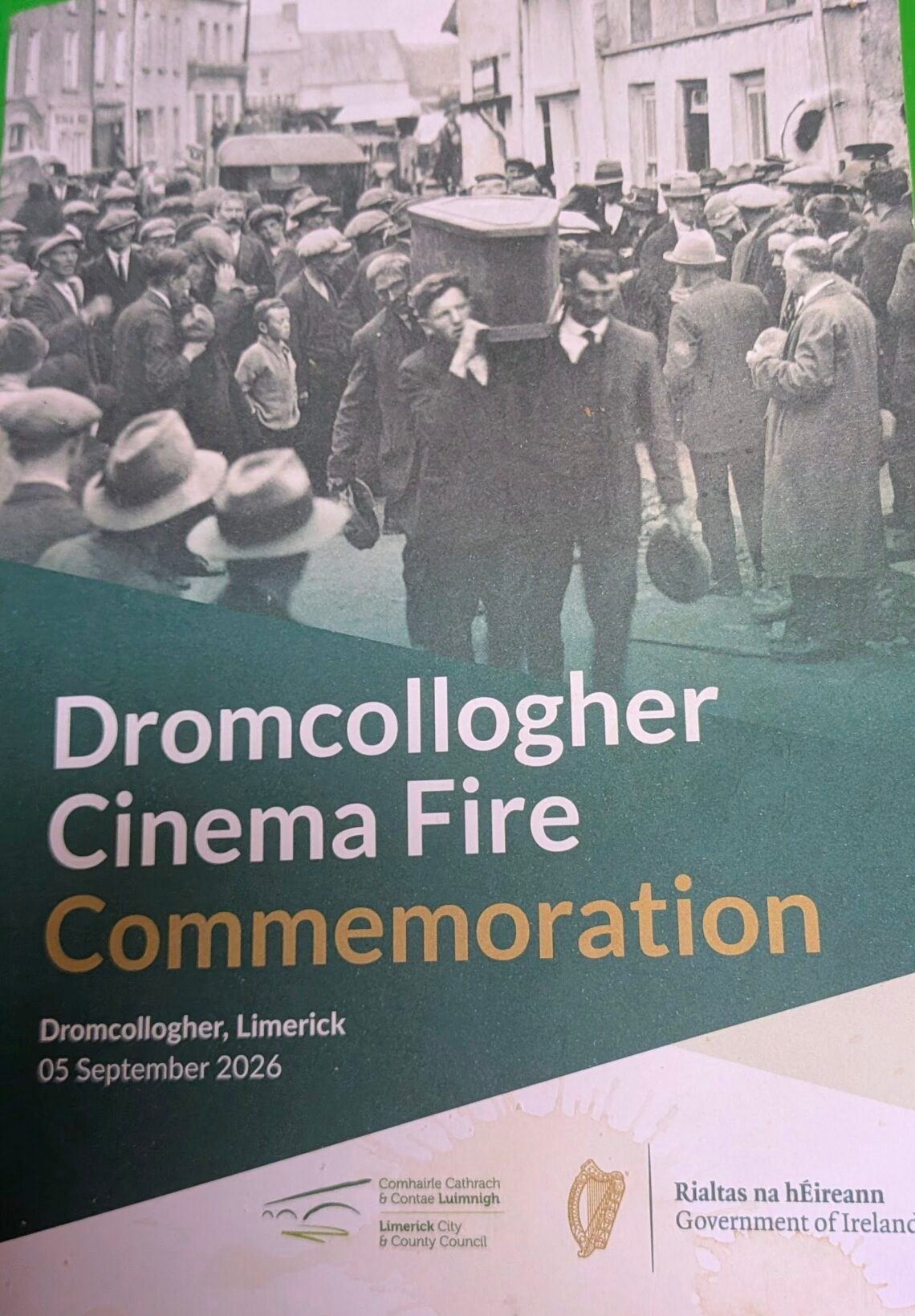
The man in a high-vis jacket stood in the middle of the road behind a large sign that said ROAD CLOSED, blocking access to the town of Dromcollogher in Co. Limerick. We were on our way to the State Commemoration of the cinema disaster that occurred in the town a century before. Until recently, the rest of the country had forgotten the tragedy, but the people of Dromcollogher decided it was time to remember an event that was always known locally as The Burning. The town was still almost two kilometres away when we stopped at the roadblock. Although I love walking, I wasn’t keen to trudge into town in a dress and heels. The steward took one look at my shoes and allowed my sister and I through, for a drop-off.
With freshly painted houses, flower-filled window boxes, and pristine streets, the town looked magnificent—you could almost smell the paint. The state commemoration was by invitation only, with priority given first to the victim’s descendants, followed by Drom residents, both past and present. A thousand chairs stood in front of a covered stage which was erected in the spacious church car park. Behind the seating, a large white marquee gleamed in the sunlight. Nothing was left to chance with temporary toilets, a water station, free sun protection lotion, and a stack of plastic rain ponchos should the weather change. The man next to me, who turned out to be an old neighbour of mine, joked that the normally raucous crows in the trees over the nearby river were unusually silent (perhaps frightened away).
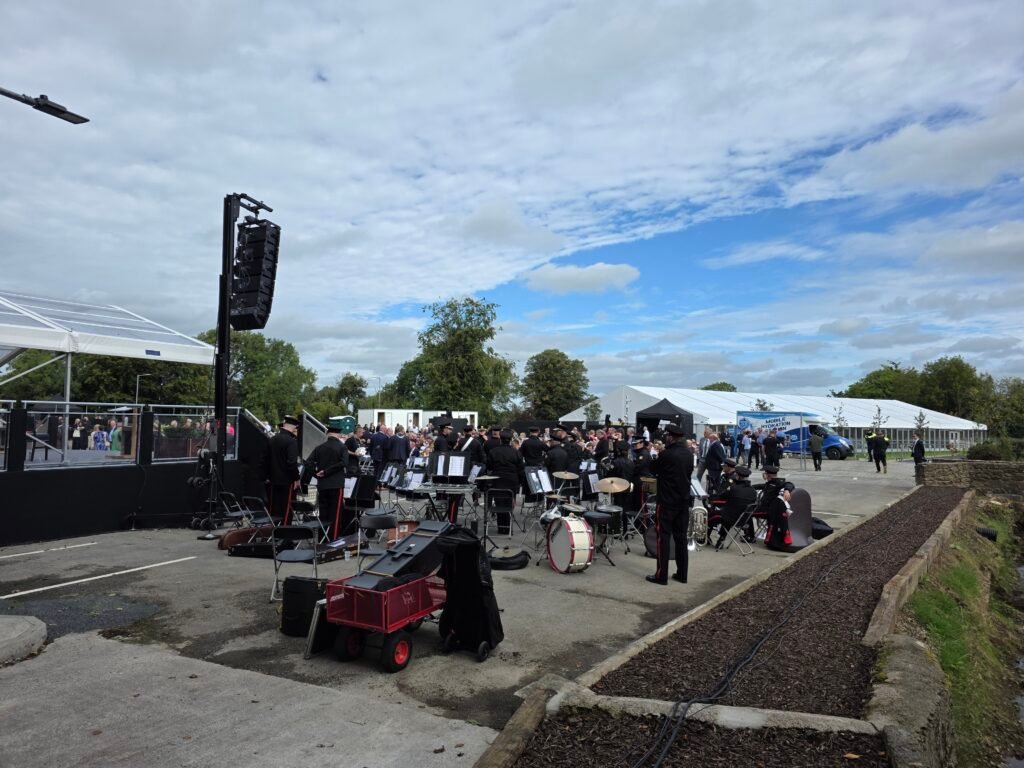
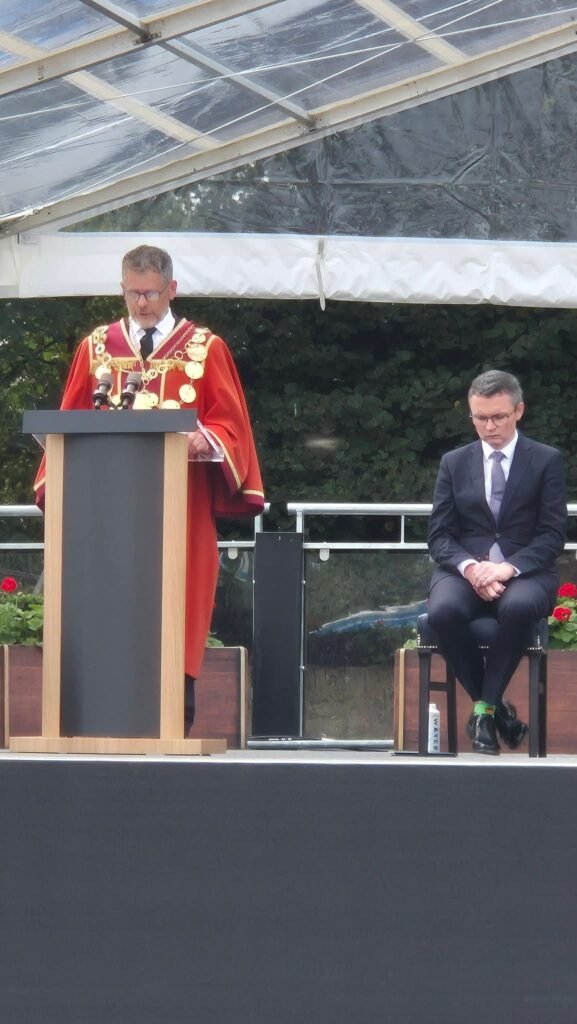
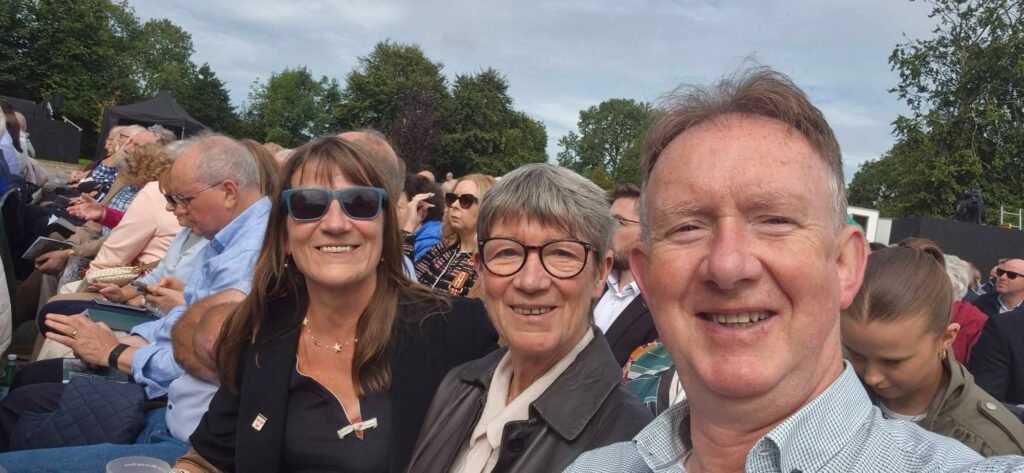
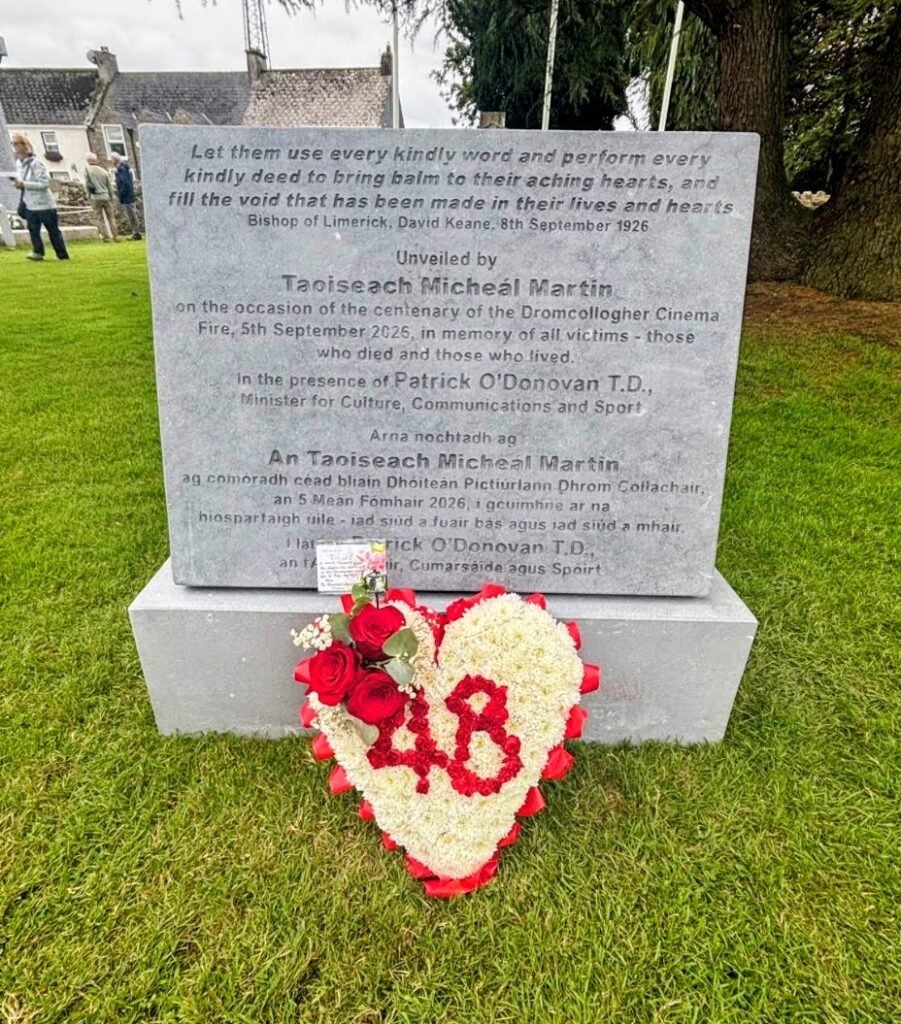
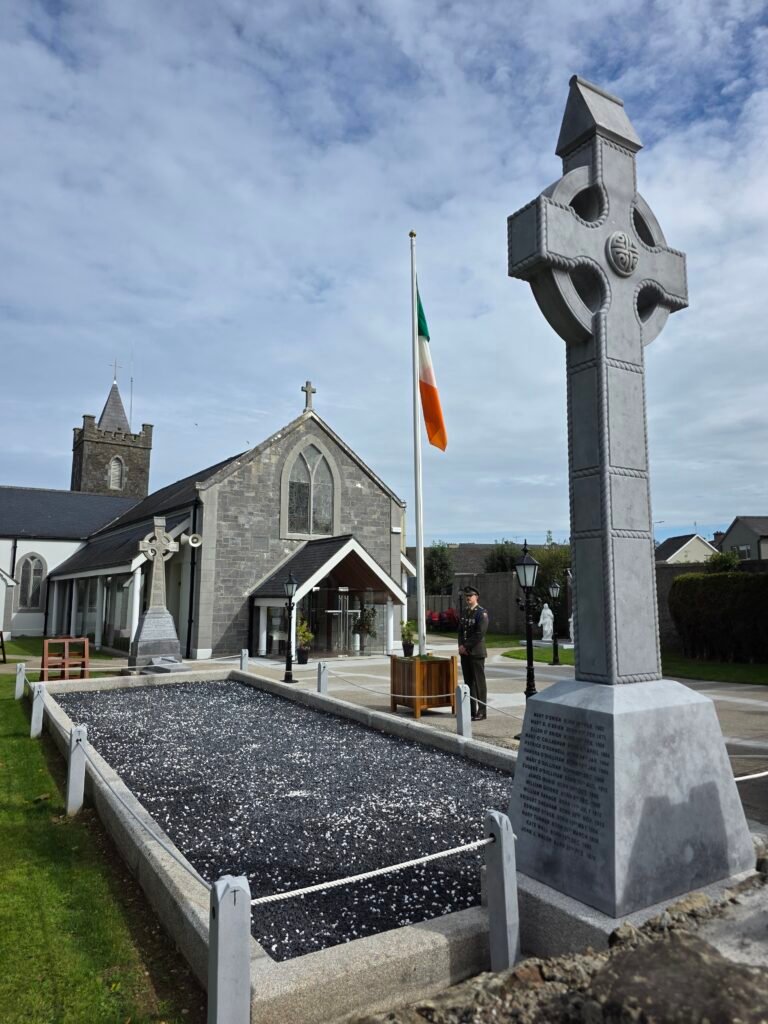
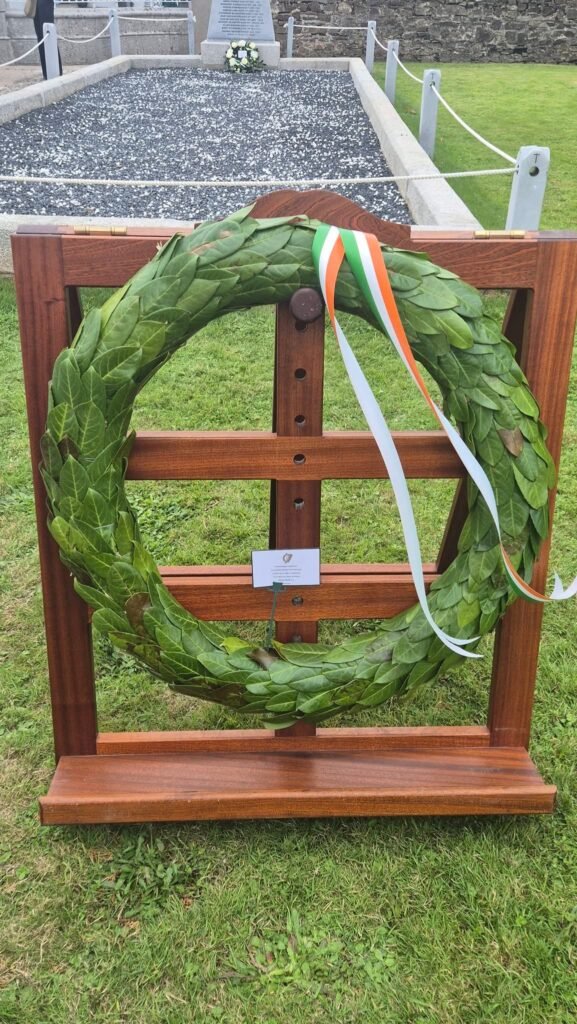
You could hear a pin drop as they lowered the tri-colour to half-mast near the mass grave in the churchyard to honour the victims. The speeches were solemn, poignant and appropriate, led by the Lord Mayor of Limerick, local T.D. Patrick O’Donovan and Taoiseach Micheál Martin. A couple of local secondary school students read poems, and a large choir, standing in front of a bank of trees, sang a song composed specially for the occasion. Goosebumps danced up and down my spine as the forty-eight names were read out, together with their ages. The youngest was seven, the oldest was sixty-seven; half were under the age of twenty-five. A few drops of light rain fell during the long roll-call as if nature was also weeping, but the clouds cleared away and the sun shone again.
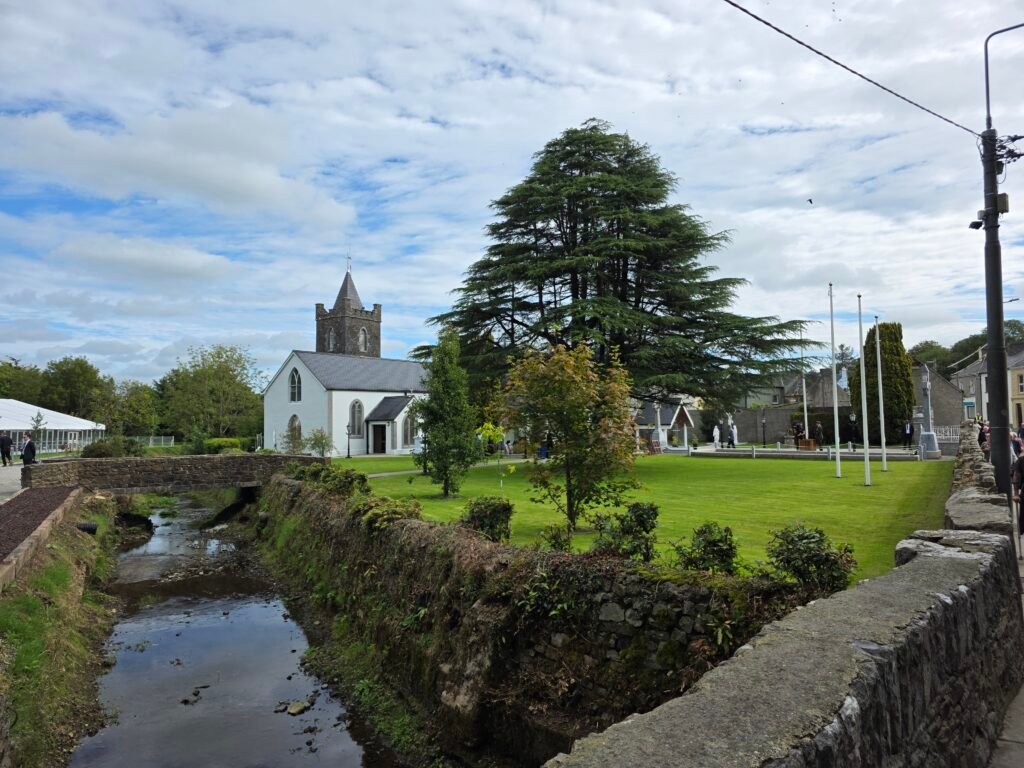
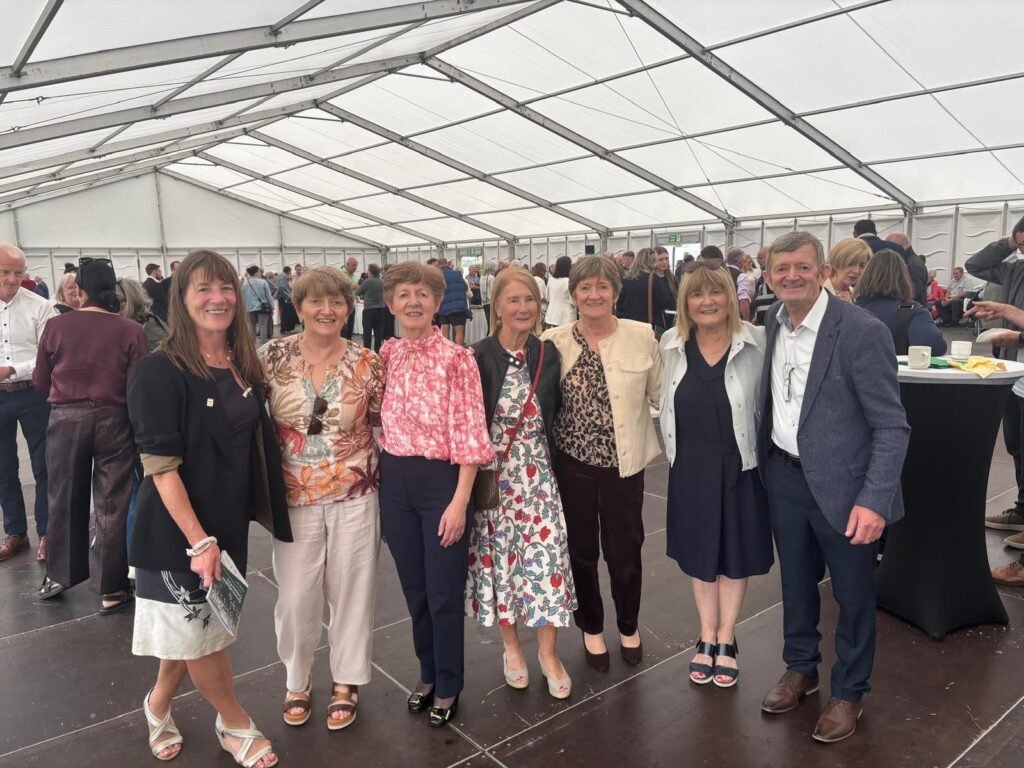
The babble of voices in the refreshments marquee was deafening as friends and neighbours reconnected after years, sometimes even decades. The recognition game was in full swing. ‘Do you know me?’ a woman asked, standing in front of me. I stared, racking my mind for a memory. There was something in the timbre of her voice, in the way she held her head, that was familiar. I hesitated, but then the years melted away, and it was obvious who she was – an old school friend from St Mary’s Secondary in Drom whom I hadn’t seen in more than forty-five years. It was wonderful, and a bit surreal, to meet people from so long ago. How quickly the years fly by.
The house in the Square that used to belong to my family was now home to the local priest, but it also had another history. The entire Buckley household – mother, father, daughter, aunt and maid – left this spot on that fateful night with the breakfast table set for a meal that they would never eat – five brown eggs in a saucepan ready to be boiled over the open fire. Their little terrier waited in vain for their return.
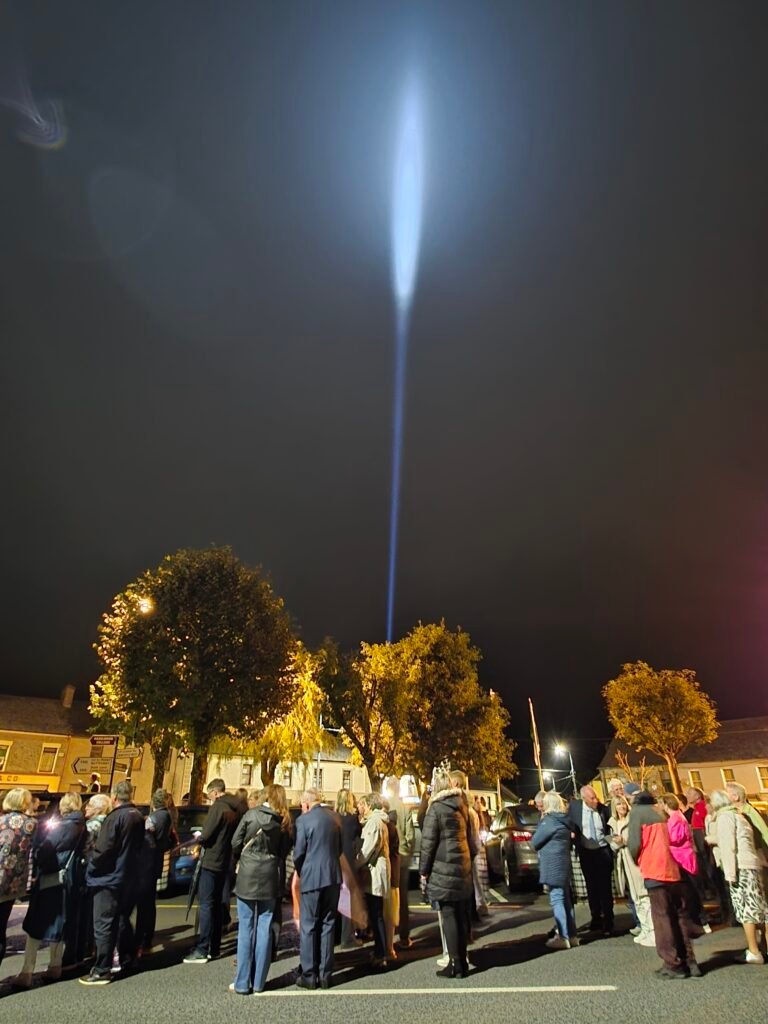
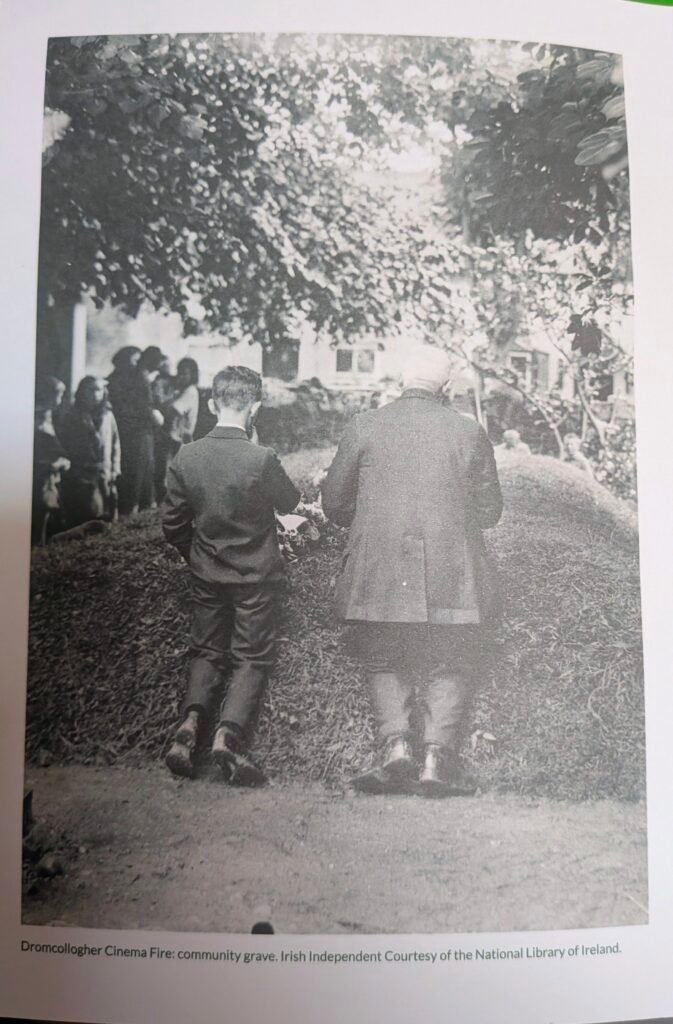
A simple fallen candle set off the tragic chain of events which led to the loss of 48 people, about a tenth of the population. At least a third of the entire community was in the hall on that night, and the horrific experience must have traumatised the survivors and those who rushed to help. On Saturday evening as darkness descended, a specially commissioned blue beam (‘Light in the Sky’) shone into the night sky. This was a moving echo of the physical glow of the flames that was seen by surrounding communities on the tragic night in 1926.
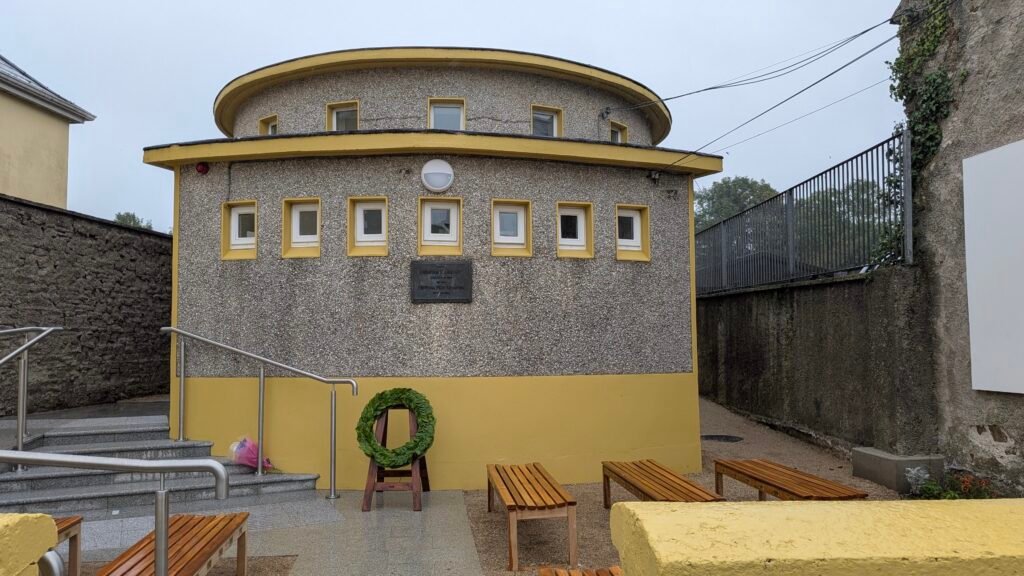
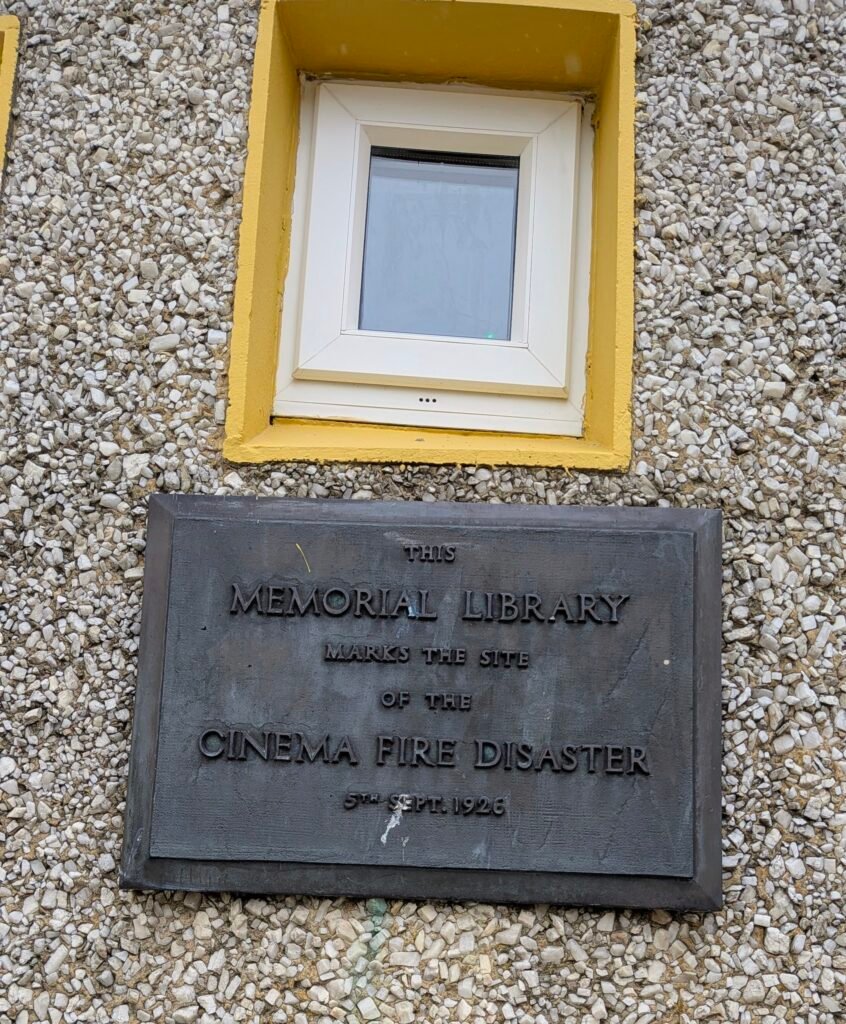
A memorial library, opened in1953, stands on the site of the disaster. The decision to build a library rather than a religious monument, like a grotto, was a deliberate choice by the local community. They wanted to heal by transforming a place of devastation into a living and lasting community resource. Such a wonderful response because the library, although a place of memories, was also a place for nourishing dreams and escaping into the wonder of books. I spent many childhod hours in that building with its striking, circular design, so different from any other building in the town.
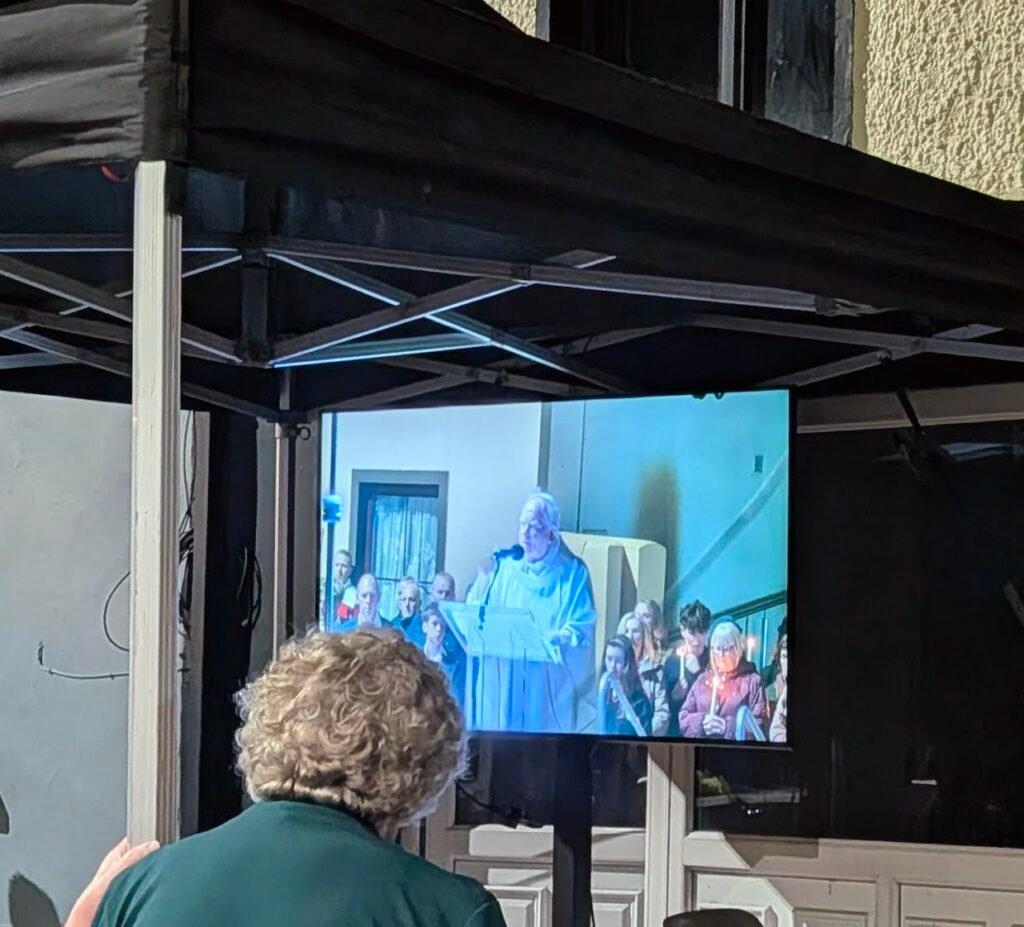
It is a long-held tradition in Dromcollogher that when a local dies, people carry or drive their remains around the Square, followed by the mourners in a final procession of honour and tribute. The tragic victims in1926 did not get their last walk – they were too numerous and so many were unidentified. This was rectified on the night of Sept 5, 2026, when a candle-lit procession walked from the church through the streets and around the Square. The shuffle of feet, the solemn silence of the walkers, and the flicker of candles was a spine-tingling experience, happening exactly a century after the candle fell. Along the way, huge screens displayed photos from 1926 of rows of coffins, shell-shocked mourners, and other poignant pictures.
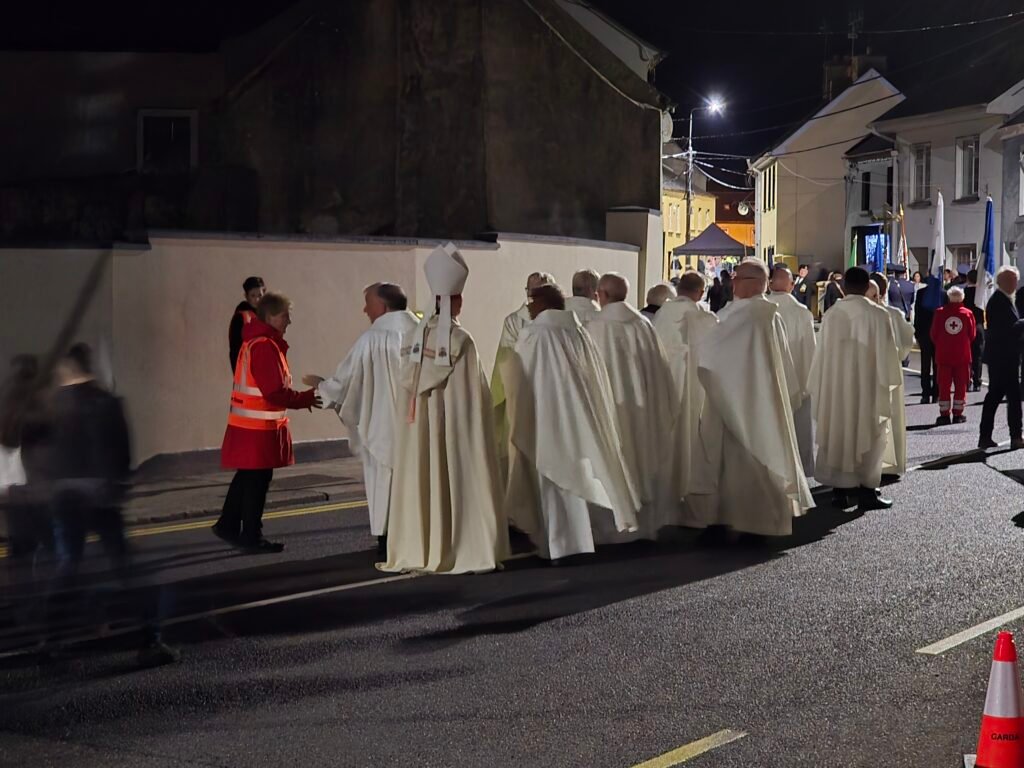
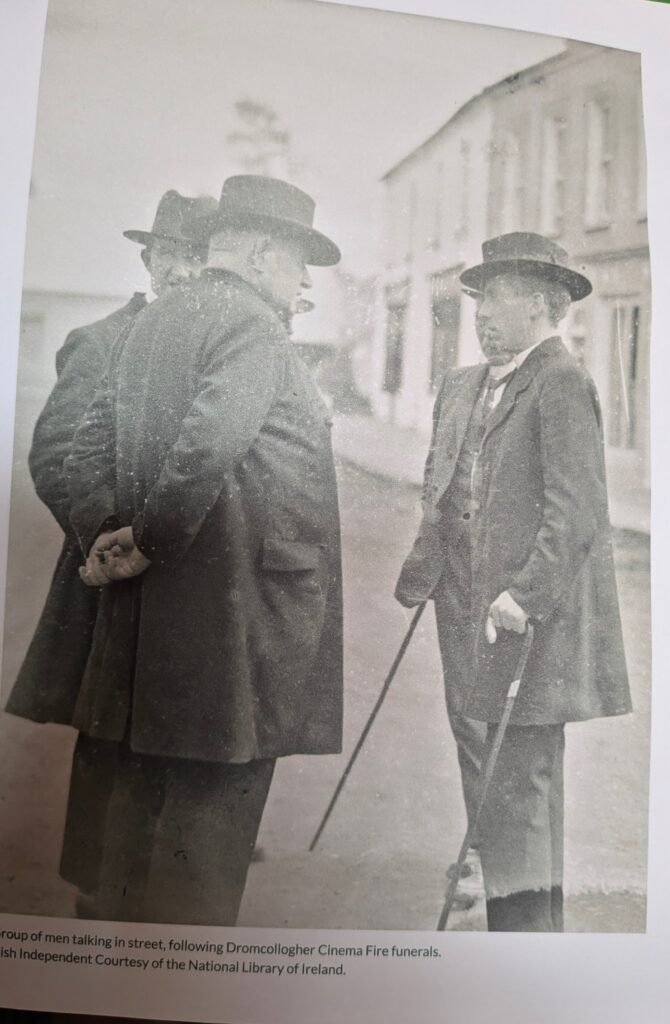
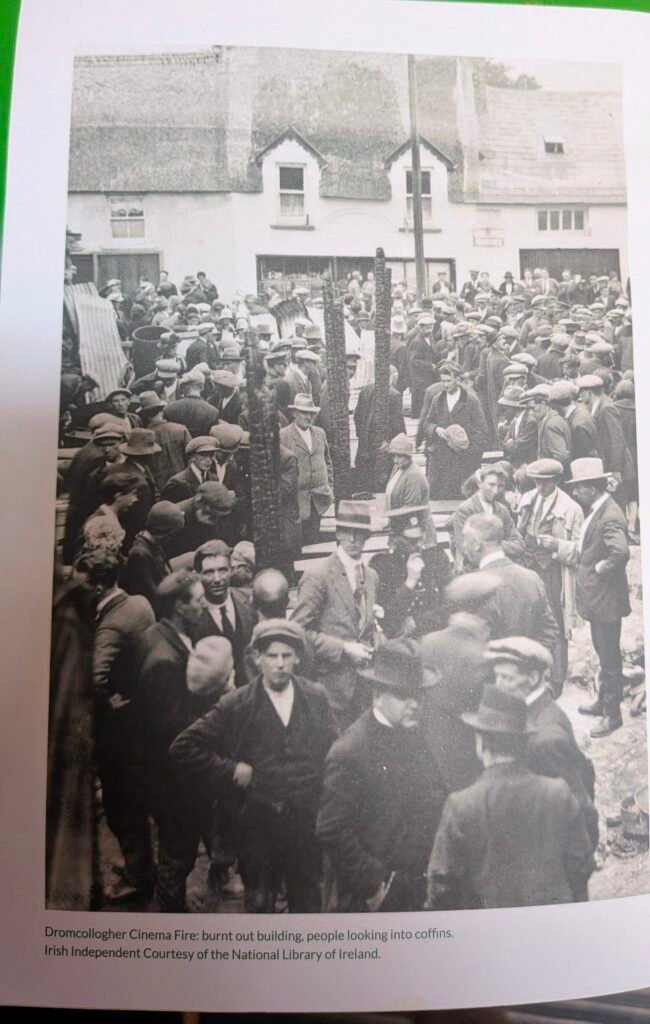
On Sunday morning, in a light drizzle, the Memorial Walk was officially opened. Along a winding path, each of the forty-eight victims had an oak tree planted in their memory, their name and age etched in gold writing on black stone on the path. At last, each was remembered as an individual, a person with hopes and dreams. They say that everyone dies twice. The first time is when we draw our last breath, and the second is when a living person says our name for the last time. Although a century has passed since their tragic deaths, people will continue to speak the names of the victims of the Burning for a long time. In years to come, the rustle of the wind in the oak trees will whisper the names of the deceased, while children play in their dappled shade and people will marvel at the resilience of the Drom people.
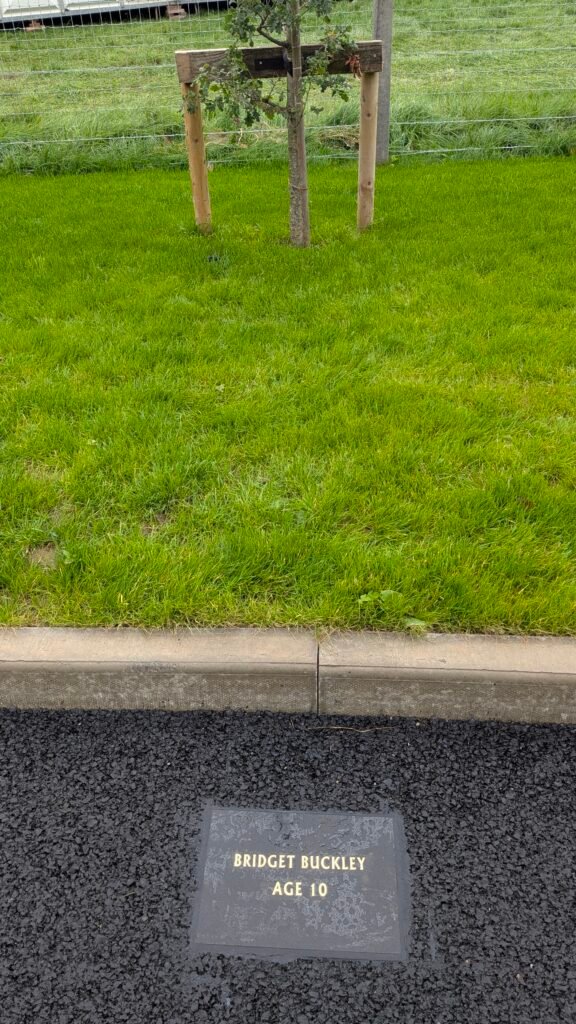
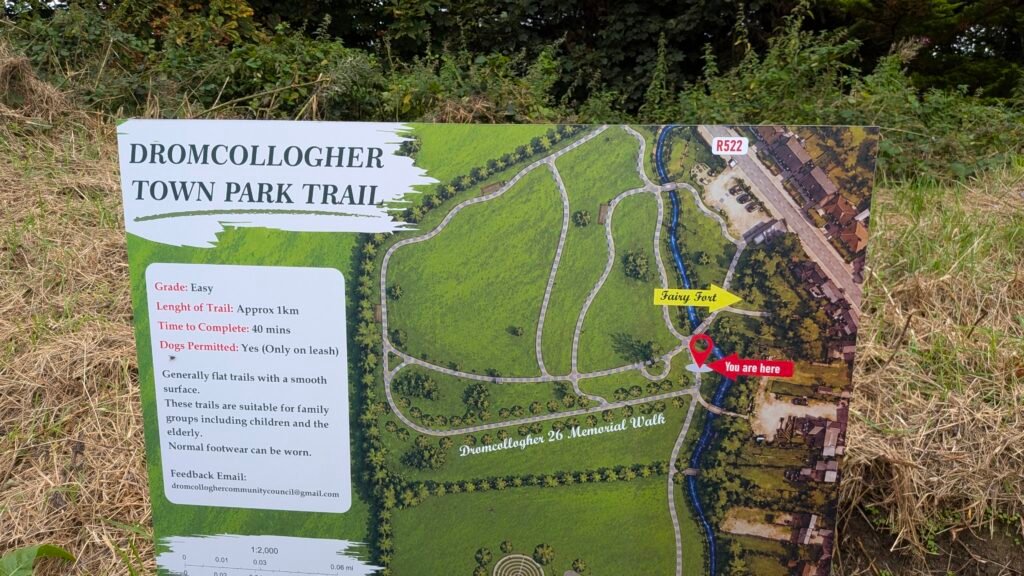
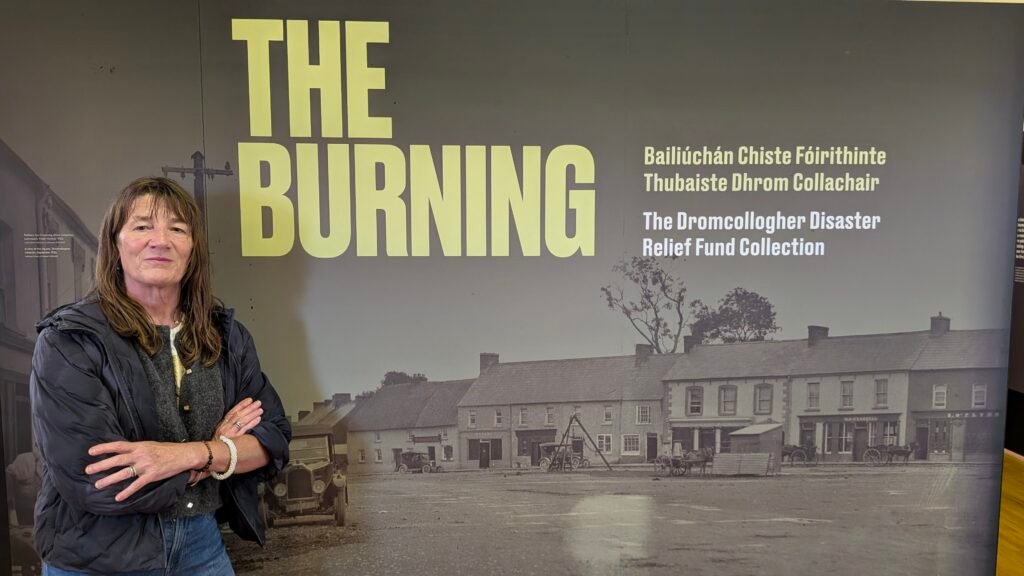
During the weekend, people brought a century of quiet, generational grief into the open, ensuring they properly honoured those who died—and those who carried the burden of the loss. The speed and scale of the tragedy also emphasised the fragility of life, so carpe diem; we do not know what tomorrow will bring. Personally, I felt a deep and emotional sense of having travelled full circle, coming back to the beginning, to where I came from.
Books
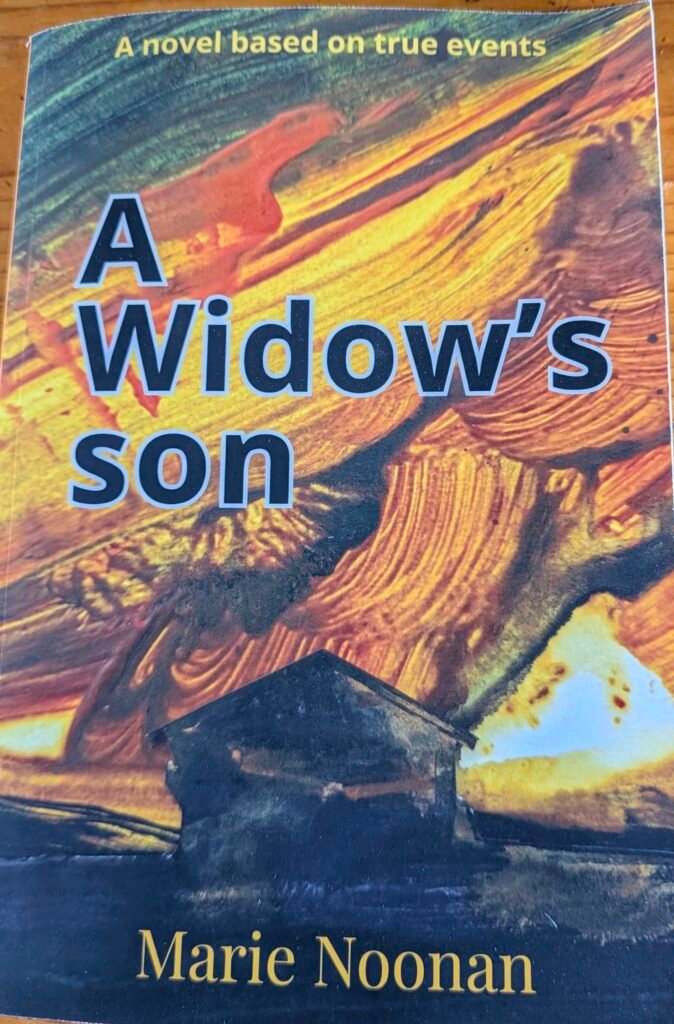
My novel, A Widow’s Son, is closely based on the tragic events in my hometown a century ago. It explores the complex character of Babe Forde (or Babe O’Connor in the novel), the man blamed for causing the catastrophe. A Widow’s Son captures the human story behind the calamity in a sensitive and readable way. Details http://marienoonan.com/
The Commemoration Committee published a wonderful hardback book, The Burning, Dromcollogher Remembers, which was launched at the weekend. As well as local history, wonderful photos, and extensive research, it dedicated individual pages to each of the victims in a fitting memorial. It is available at Buy the Book.